
Sensitive Teeth: Causes and Treatment
Written & medically reviewed by Dr. Rajat Shaikh, MDS — Pediatric & Preventive Dentistry · Last updated July 2026
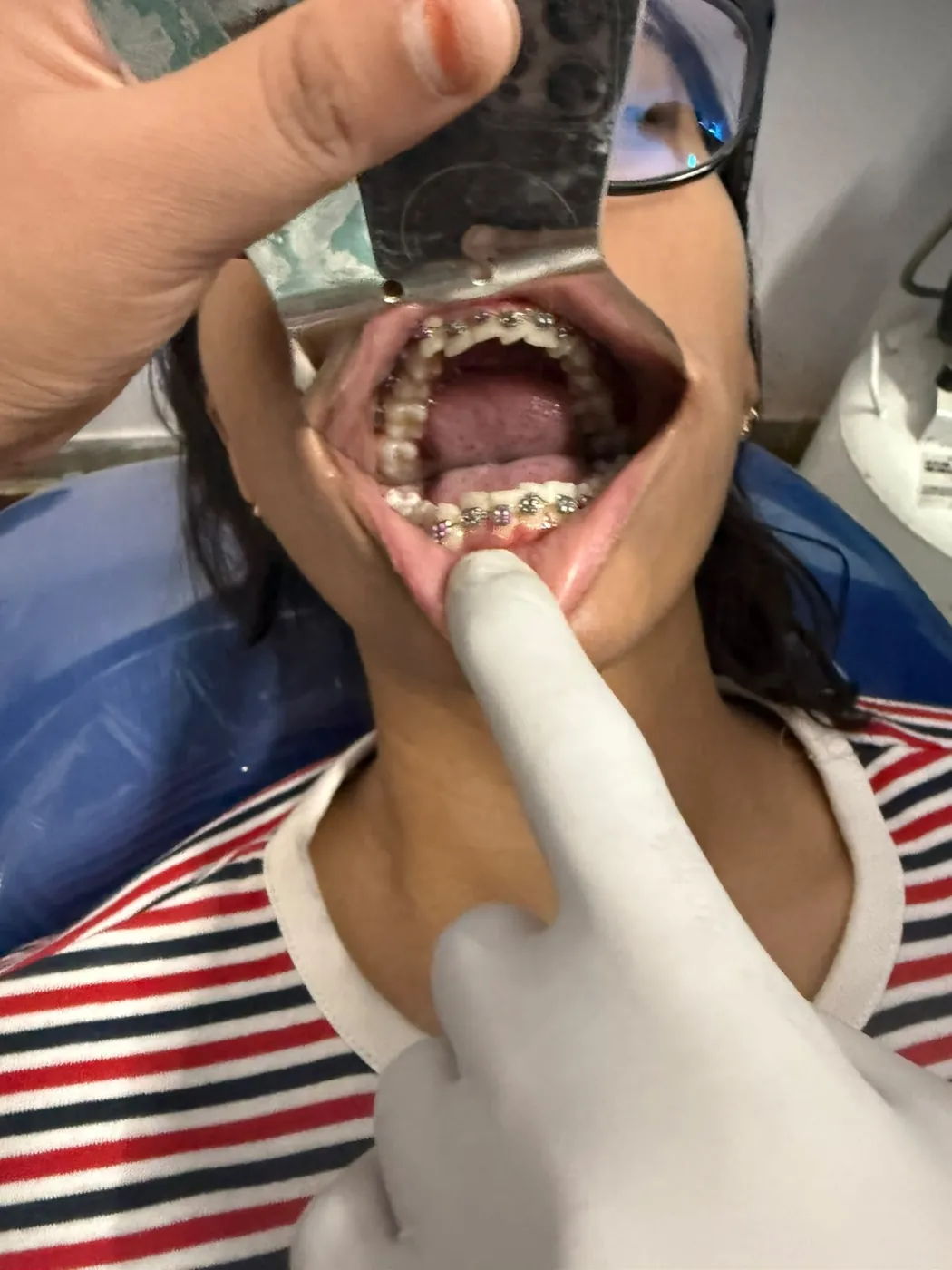
Tooth sensitivity — a sharp twinge to hot, cold or sweet — happens when protective enamel wears down or gums recede and expose the sensitive layer beneath; desensitising toothpaste and treating the cause usually resolve it.
Sensitive teeth are common and usually treatable once you know the cause.
What causes sensitive teeth?
- Worn enamel from hard brushing or acidic foods
- Gum recession exposing the tooth root
- Tooth decay or a cracked tooth
- Recent whitening (usually temporary)
- Teeth grinding
How can I reduce sensitivity?
- Use a desensitising toothpaste regularly
- Switch to a soft brush and brush gently
- Cut back on acidic foods and drinks
- Don’t brush straight after acidic foods
When should I see a dentist?
If sensitivity is sharp, localised to one tooth or persistent, it may be decay or a crack — a dentist can find and fix the cause, which sometimes needs a filling, crown or root canal.
Frequently asked questions
Does tooth sensitivity mean I have a cavity?
Not always — generalised sensitivity is often worn enamel or gum recession. But sensitivity in one specific tooth can indicate decay or a crack and should be checked.
What is the best toothpaste for sensitive teeth?
A dedicated desensitising toothpaste used consistently helps most people. If it doesn’t settle, see a dentist to rule out an underlying problem.
Related treatments
Related reading
Ready for a healthier, happier smile?
Book a consultation with Pune’s family-friendly dental team in Mohamadwadi. New patients and children are always welcome.